By Marjorie Kauth
It was a crisis like no other. The schools of Peoria, Illinois, were losing teachers faster than they could replace them. Classrooms were filled with long-term substitutes, and the future of a generation of students seemed uncertain. But Peoria Public Schools (PPS) wasn’t about to let its classrooms be indefinitely filled with long-term substitutes who didn’t hold teaching certificates. The district needed a solution—bold, innovative, and immediate. And so, they turned to an idea that would not only address the teacher shortage but would also bring something extraordinary to their students: the J-1 International Teacher Exchange Program.
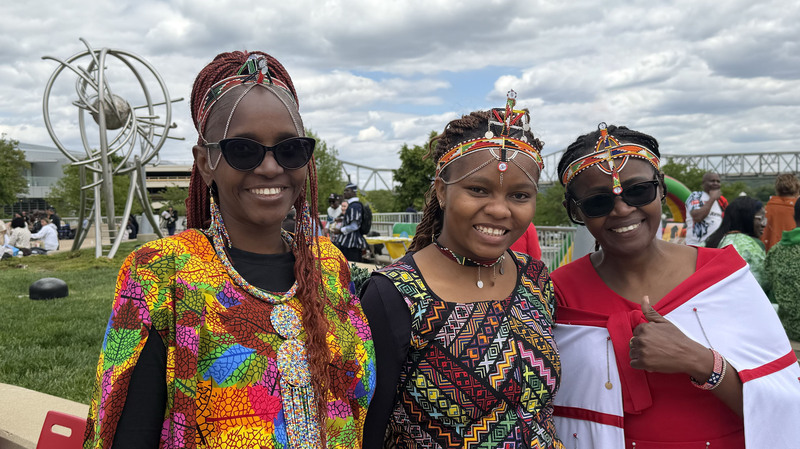
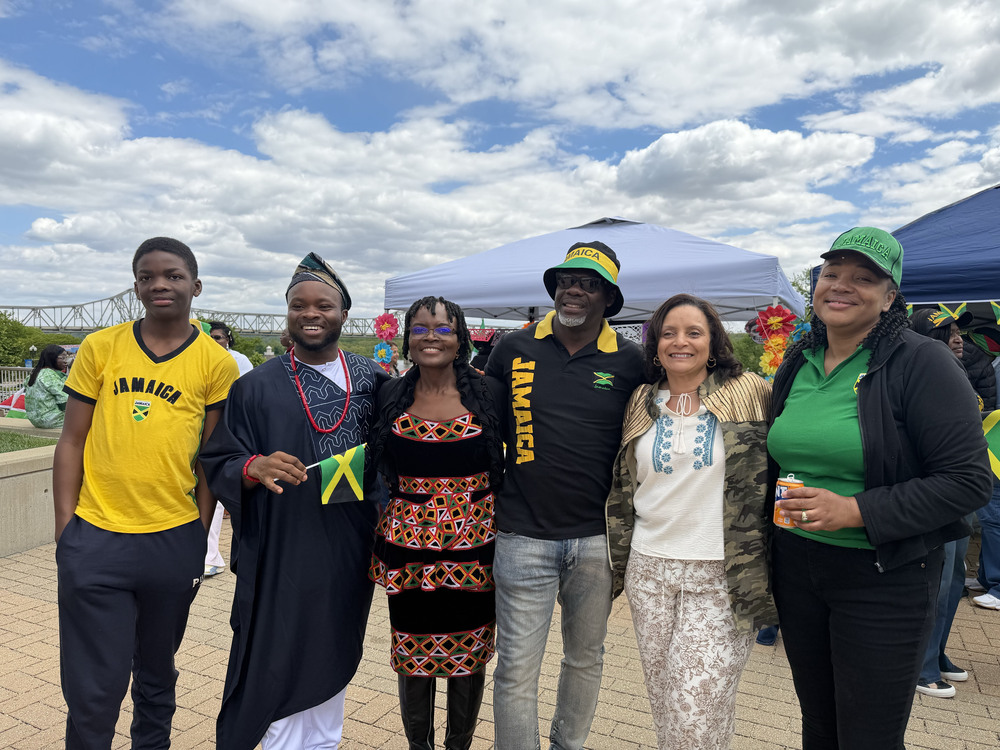
What started as a leap of faith—bringing educators from across the globe to teach in Peoria—has grown into something much bigger than anyone imagined. Today, Peoria Public Schools is home to 116 teachers from 17 different countries, from the Philippines to Ghana, from Jamaica to Thailand. These teachers didn’t just fill vacancies; they brought with them a world of knowledge, culture, and experience. They took on the challenge of teaching in a new country, with new systems and new faces staring back at them from desks. They also brought something else—a reminder of what can happen when a community believes in its teachers.
But what makes this story truly remarkable isn’t just the arrival of these international educators. It’s what happened next.
When those teachers stepped into their new classrooms, they didn’t do it alone. You see, Peoria Public Schools didn’t just recruit international talent and wish them luck. The district recognized that for these teachers to thrive—and for their students to succeed—they needed more than a handshake and a curriculum guide. What they needed was a system, a support network, and above all, people who believed in them.
And that’s exactly what they got.
Led by Dr. Comfort Akwaji-Anderson, the PPS Office of Talent and Professional Development pioneered a coaching model that didn’t just check boxes but built relationships. Every international teacher was placed into one of four coaching tiers, ranging from "Intensive" for those needing daily support to "Check-in" for those who were thriving independently. Every six weeks, teachers were reassessed, and their support levels were adjusted. It wasn’t just about teaching—it was about growing, together.
The results? Well, let me tell you.
In August 2025, at the start of the school year, 67% of international teachers were in the Intensive tier. They needed help navigating the curriculum, adapting to a new culture, and managing their classrooms. But by spring 2026, that number had dropped to just 27%. Meanwhile, the percentage of teachers thriving at the independent Check-in level skyrocketed from a mere 6% to an impressive 44%. That’s not just progress; that’s transformation. This success isn’t just a one-time achievement—it’s the foundation for even greater gains in the future. J-1 teachers serve for up to five years, and as these talented educators move into their second, third, fourth, and even fifth years in Peoria classrooms, we can anticipate even deeper connections with students, richer cultural exchanges, and a continuing rise in instructional excellence.
Behind those numbers are stories—stories of teachers who went from overwhelmed to outstanding. Eighteen international educators moved from needing intensive support to full instructional independence within just six months. What made the difference? It wasn’t just the data or the tiers. It was the people.
Every success story had a mentor coach behind it: Kathleen Burke, Patti Lippert, Sue Malahy, Kelly O’Neil, Anna Rose, and, of course, Dr. Akwaji-Anderson herself. These coaches weren’t just observers or evaluators. They were partners, cheerleaders, and sometimes, shoulders to lean on. They visited classrooms, offered feedback, stayed late for planning sessions, and celebrated every small victory alongside their teachers.
Shella Cadimas, an English and ESL teacher at Lincoln K-8, reflected on her experience:
“I chose this district because I felt seen and valued—and during my time here, that feeling has only grown stronger. PPS ensured that I was supported professionally and personally. From school leaders to colleagues, there was a consistent effort to guide, encourage, and uplift me as a teacher.”
That feeling of belonging echoed across the district. Ana Marie Quijano, a visual arts teacher at Peoria High School, shared, “I chose Peoria Public Schools because, from the very beginning, I felt a genuine sense of belonging and purpose.”
But the impact of the J-1 program isn’t just about the teachers—it’s about the students. Because when teachers thrive, students thrive.
Lea Chavez, an Algebra teacher at Peoria High School, recounted a powerful reflection from one of her students: “Thank you for not giving up on me, even when I was rude, disrespectful, and loud in your class. You still had the patience to push me and believed that I was capable.”
These moments of connection and growth are why programs like this matter. For many students, these teachers represent more than just instructors—they are mentors, advocates, and examples of perseverance.
The cultural exchange also enriches the fabric of Peoria’s schools. As Raissa Tiongson from Glen Oak so beautifully put it: “Basically a trade—but in this sense, we both get to trade our beautiful cultures to one another.”
Imagine sitting in a classroom as a young student and learning not just math or science but also about a world far beyond your city limits. Imagine hearing firsthand about life in Ghana, or the traditions of the Philippines, or the history of Jamaica. Imagine seeing your teacher—someone who speaks with a different accent or celebrates different holidays—and realizing that the world is so much bigger and more diverse than you ever imagined. That’s what Peoria students got from this program. And that’s a gift that will stay with them for the rest of their lives.
So, here we are. A district that once faced an overwhelming teacher shortage is now a model of innovation and inclusion. A system that could have left teachers to sink or swim instead chose to lift them up. And a community that once worried about its future now sees a brighter, richer, more connected tomorrow.
Peoria Public Schools didn’t just solve a problem. They created a legacy and a model for other districts to follow—one that reminds us all what’s possible when we invest in people, when we embrace diversity, and when we believe in the power of education to change lives.
And now you know…the rest of the story.
Click here to read the full report “New Country, New Classroom,” by Dr. Akwaji-Anderson.