Behind the Behaviors: How PPS Board Certified Behavior Analysts Support Students and Staff
By the time a classroom teacher notices a chair sliding across the floor, a student bolting for the door, or a lesson grinding to a halt, the behavior is already telling a story. For Peoria Public Schools’ Board-Certified Behavior Analysts (BCBAs), understanding that story is the work.
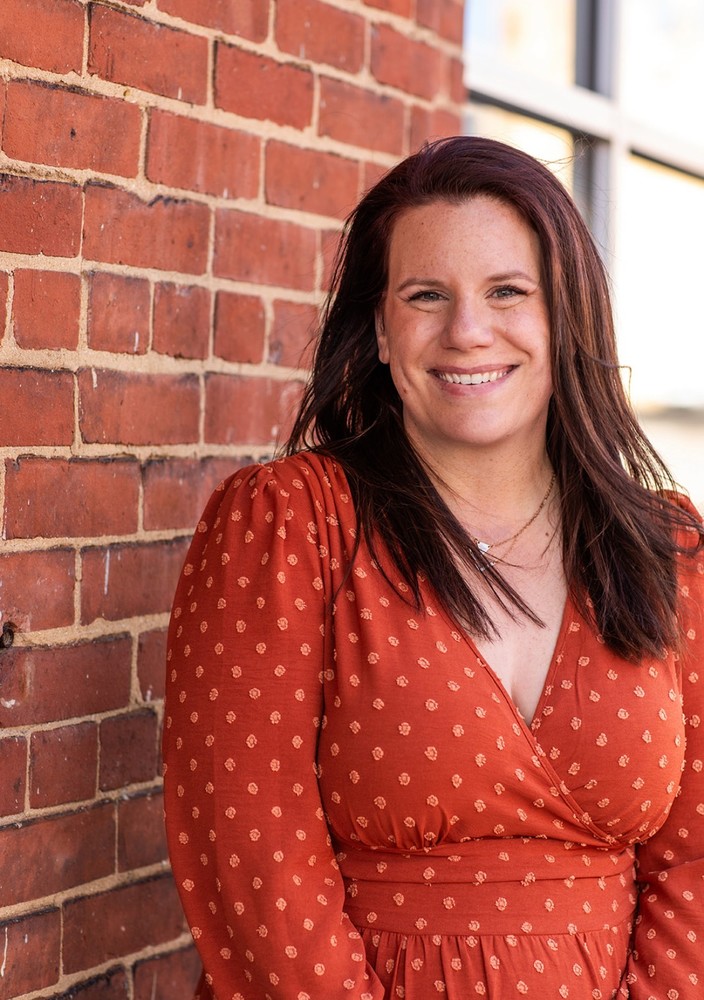
Caitlin Lindsley is one of four BCBAs serving more than 13,000 students across the district. With a master’s degree in applied behavior analysis, her role goes far beyond managing disruptions. It is rooted in science, observation, and collaboration — all with one goal in mind: helping students learn. “We look at the science of behavior, why behaviors happen, what’s fueling them, and what skills might be missing.”
What a BCBA Really Does
BCBAs support both individual students and entire teaching teams. While teachers are balancing instruction for 20 or more students, BCBAs step back to study the environment itself. “We observe what teachers often can’t in the moment,” Lindsley said. “We’re looking at what’s triggering behaviors, what’s reinforcing them, and what small changes could make a big difference.”
Those changes might be as simple as adjusting seating, adding visual supports, or creating a structured reward system. Other times, they require deeper intervention plans designed to replace problem behaviors with skills that help students succeed academically and socially. “A lot of the time, to change student behavior, we have to change adult behavior, how we respond and how we interact.”
When Typical Becomes Significant
All children have behaviors. BCBAs step in when those behaviors become “socially significant,” meaning they interfere with learning, safety, or relationships. “A three-year-old having a tantrum is developmentally appropriate,” Lindsley explained. “But a middle school student having the same level of tantrum is a very different situation.”
BCBAs support students across general education, inclusion classrooms, and specialized special education settings, including autism, life skills, and behavior-focused programs. Some students have diagnoses like ADHD or autism; others have experienced trauma or environmental stressors. Sometimes, there is no diagnosis at all. “Our job is to figure out what’s contributing, not to label, but to understand.”
Data, Not Discipline
Gone are the days when behavior was addressed through punishment alone. Today’s approach blends data, social-emotional learning, and, when appropriate, medical input. “We’re very data-driven. We can say, ‘This is helping,’ or ‘This is moving in the wrong direction,’ based on what we’re seeing at school.”
A Teacher at Heart
Lindsley’s path to becoming a BCBA began in special education classrooms, where she worked in life skills and autism programs. “I loved the kids with behavior plans,” she said. “They were always my favorites.”
After years in private clinical work, she returned to public education. “Our end goal is simple: kids coming to school every day and learning. That’s what everyone wants — parents, teachers, and students.” And behind the scenes, quietly observing and analyzing, PPS’ BCBAs are helping make that possible — one behavior, one classroom, and one student at a time.